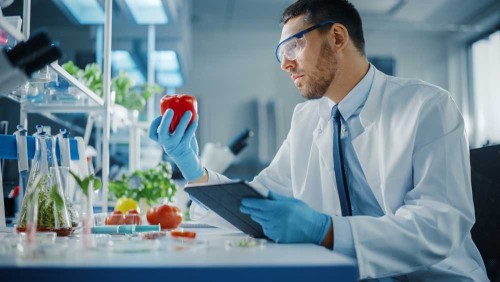
It is a set of principles, procedures, and scientific standards applied to agricultural production processes (from farm to table) to ensure:
- Food Safety: Producing healthy and safe food for human consumption, free from chemical and biological contaminants (such as pesticides and bacteria).
- Quality: Maintaining the quality and nutritional value of the agricultural product.
- Animal Health and Welfare: Providing a suitable living environment for animals and birds, and taking care of their health and welfare.* **Environmental Protection:** Reducing the negative impacts of agriculture on the environment, and preserving natural resources such as soil and water.
- Health and Safety of Workers: Ensuring safe and healthy working conditions for farm workers.
Its Main Goals
- Ensuring the sustainability of the agricultural sector.
- Enhancing consumer confidence in agricultural products.
- Opening local and international markets (where it has become a requirement in many countries).*
- Improving farm management and production efficiency.
Its Application Areas Include
- Water source and irrigation method.
- Use of fertilizers and pesticides.*
- Plant health and pest control.*
- Cleanliness of harvest and storage.*
- Personal hygiene of workers.*
- Waste management.*
- Traceability (ability to trace the product from the farm to the consumer).
In summary, the GAP system is a way to ensure that the agricultural product we consume has been produced in a responsible and safe manner, respecting humans, animals, and the environment.** The most well-known certification in this field is "Global G.A.P," which is internationally recognized.